
Explore Sal Island
Quiet beaches, steady winds, chilled bars. Welcome to Cape Verde’s easy-going paradise. ARTICLESOUR MISSIONTHE OCEAN, SAND & SUN
“Paradise is when your mind is in a perfect state,” says Frederick Lenz, and that’s what Cabo Verde offers you — it’s both a colourful and a happy place if you only discover its vibrant energy, natural beauty and great culture. The more you get to know it, the more fascinating it gets. Explore the Island of Sal through our website, and see if you fall in love with what Sal can offer you.
New Articles
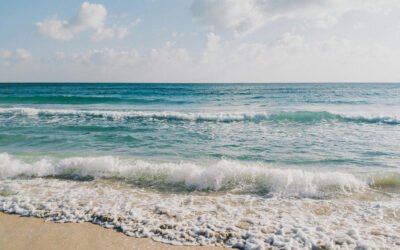
Santa Maria Beach: Soft Sand and the Beautiful Ocean
[pac_divi_table_of_contents default_state="closed" included_headings="on|on|on|off|off|off" level_markers_1="none" level_markers_2="decimal" level_markers_3="whole" _builder_version="4.27.4" _module_preset="default" custom_margin="0px||||false|false"...
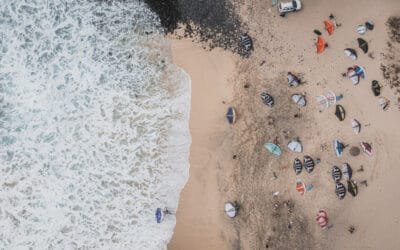
Ponta Preta: Discover One of Sal’s Most Famous Beaches
[pac_divi_table_of_contents default_state="closed" included_headings="on|on|on|off|off|off" level_markers_1="none" level_markers_2="decimal" level_markers_3="whole" _builder_version="4.27.4" _module_preset="default" custom_margin="0px||||false|false"...
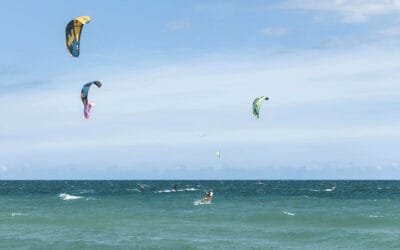
Kite Beach: One of the Best Trade Winds’ Playgrounds
Kite Beach lies on the eastern coast of Sal Island, about 2km from Santa Maria, and is one of the island’s most popular spots for kitesurfing and water sports.
Understanding Cape Verde
An essential step towards truly understanding a country’s culture is diving into its history. Events from the past profoundly shape local customs, behaviours, and the community’s character. To see Cabo Verde beyond its image as a sun-soaked tourist paradise, you first need to get familiar with its past — learning Caboverdian history is your starting point. From there, the authentic beauty and richness of local life become genuinely visible. Explore our pages to discover more about genuine Cape Verdean culture, away from tourist clichés.
Explore

The Independence Day: Great Celebrations in Cape Verde
[pac_divi_table_of_contents default_state="closed" included_headings="on|on|on|off|off|off" level_markers_1="none" level_markers_2="decimal" level_markers_3="whole" _builder_version="4.27.4" _module_preset="default" custom_margin="0px||||false|false"...
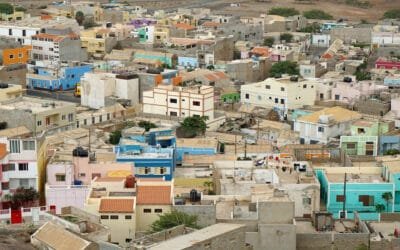
Espargos: Capital of the Island in the Heart of Sal
[pac_divi_table_of_contents default_state="closed" included_headings="on|on|on|off|off|off" level_markers_1="none" level_markers_2="decimal" level_markers_3="whole" _builder_version="4.27.4" _module_preset="default" custom_margin="0px||||false|false"...
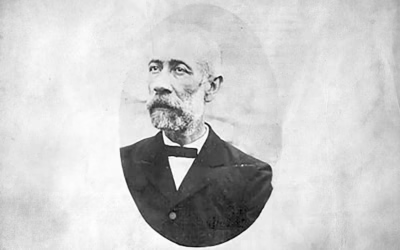
Manuel António Martins: The Napoleon of Cabo Verde
An in-depth exploration of Manuel António Martins, the controversial figure who shaped the economic and political landscape of 19th-century Cabo Verde.
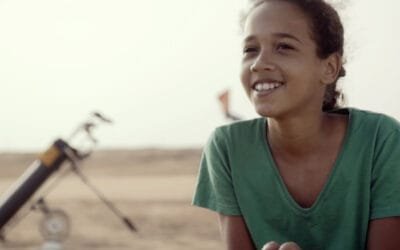
Meet Luna, The Girl Who Plays Golf on The Moon
Luna lives in Sal, Cabo Verde. She likes many sports, like surfing and snorkelling, but her favourite is golf. In this short documentary, she says…
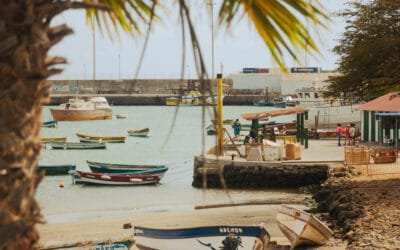
Palmeira: The Important Fishing Village of Sal
Tucked away on the windswept western coast of Sal Island, Palmeira is not the place you visit for palm-lined beaches or polished resorts.
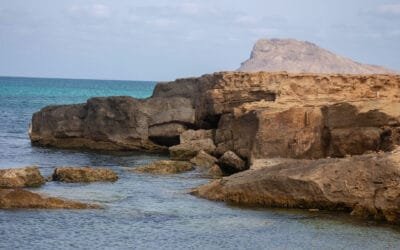
Monte Leão: The Great Lion Mountain of Sal Island
Rising starkly from the flat desert plains of Sal Island, Monte Leão, also known as Rabo de Junco, asserts a quiet dominance over the surrounding coast. Towering approximately 165 m above sea level at the northern rim of Baía de Murdeira, this distinctive “Lion Mountain” functions both as a geological sentinel and as a cherished destination — a point where geology, ecology, and human aspiration converge.
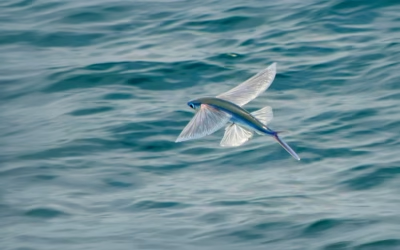
Flying Fish: Crazy and Beautiful Sea Gliders of the Sky
Flying fish don’t truly fly like birds. Instead, they glide on extended fins. With a swipe of a tail, they launch themselves out of the water at over 60 km/h.
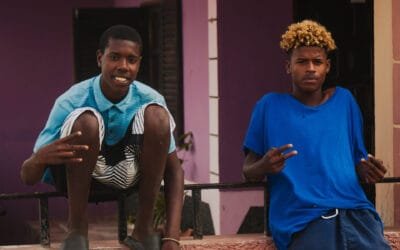
Cape Verde: The Practical Guide with Essential Insights
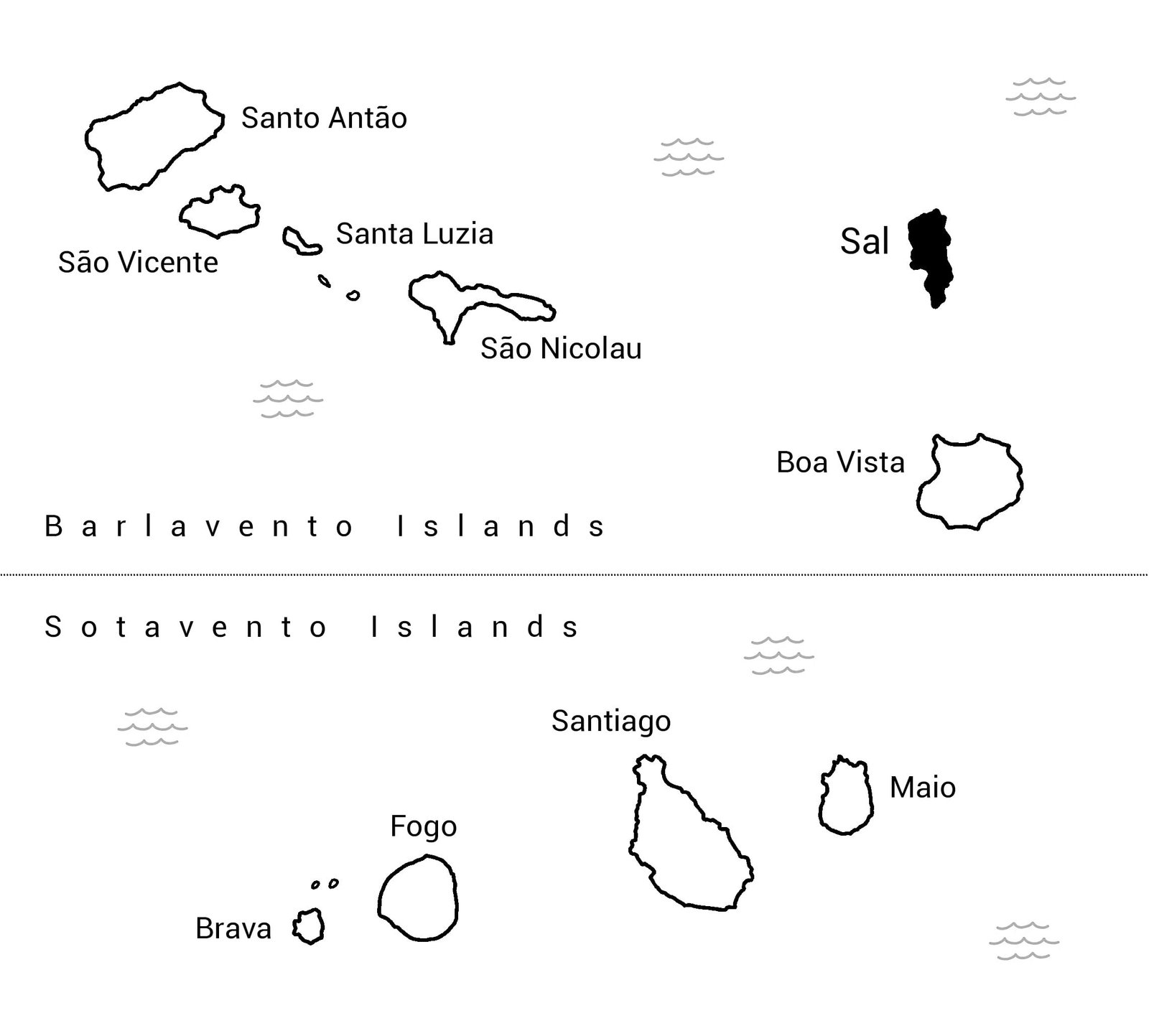
Cape Verde: Nestled 600 km off the West African coast lie ten volcanic islands united in history, culture, and climate — yet each with its own character.
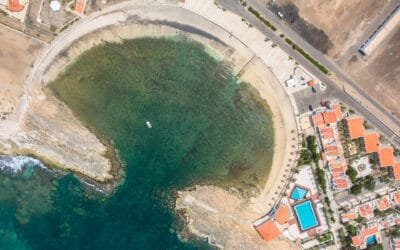
Murdeira Bay: Beautiful Reef and Rock Pools
Murdeira Bay, situated on the southwest coast of Sal, is a nature reserve known for its rich underwater sea life and a small coral reef.
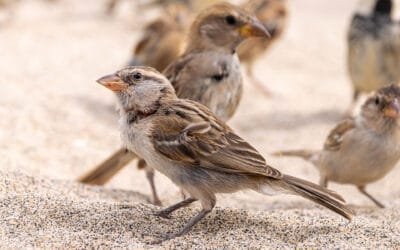
Iago Sparrow: Endemic and Easy to Spot on Sal
These cute little birds you observe on the streets and in the crowns of trees are far cousins of European sparrows and – contrary to popular belief – didn’t migrate to the islands from far away. These little guys are Iago sparrows (Passer iagoensis) and are endemic to Cape Verde. That’s why they are often called Cabo Verde sparrows by professional and hobby ornithologists. Iago sparrows occur on all islands of the archipelago besides of Fogo, and on most of them it is quite common.
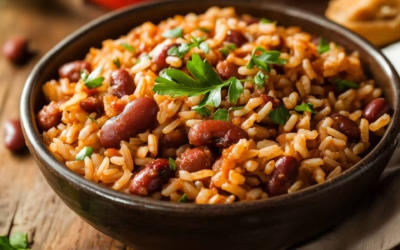
Jagacida Beans & Rice: The Great Taste and Simple Recipe
Jagacida is a flavorful Cape Verdean dish of rice and beans that showcases the blend of Portuguese and West African influences in the islands’ cuisine.
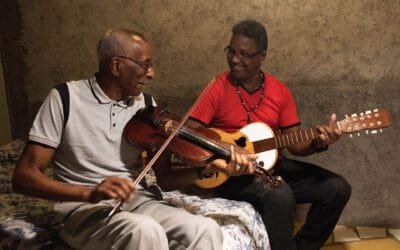
Morna: Listen to the Traditional Music of Cape Verde
[pac_divi_table_of_contents default_state="closed" included_headings="on|on|on|off|off|off" level_markers_1="none" level_markers_2="decimal" level_markers_3="whole" _builder_version="4.27.4" _module_preset="default" custom_margin="0px||||false|false"...
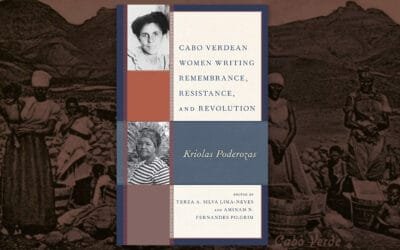
The Remembrance, Resistance and Revolution
[pac_divi_table_of_contents default_state="closed" included_headings="on|on|on|off|off|off" level_markers_1="none" level_markers_2="decimal" level_markers_3="whole" _builder_version="4.27.4" _module_preset="default" custom_margin="0px||||false|false"...
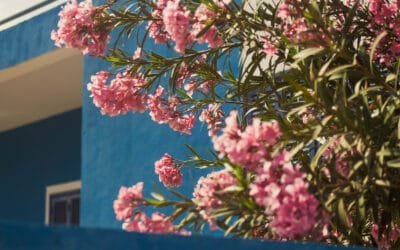
Sal Low-Cost: How to Have a Great Stay on Low Budget
Sal’s reputation as an expensive island can be a challenge for budget travellers, but strategic choices enable meaningful experiences without financial strain.
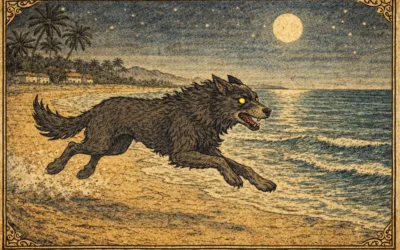
Cape Verdean Folklore: Tales and Legends of the Islands
[pac_divi_table_of_contents default_state="closed" level_markers_1="none" level_markers_2="decimal" level_markers_3="whole" _builder_version="4.27.5" _module_preset="default" custom_margin="0px||||false|false" custom_padding="0px||||false|false"...
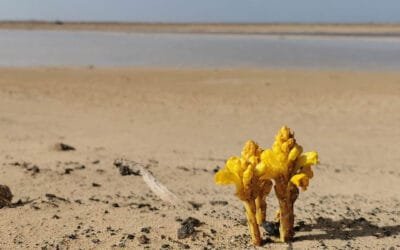
Yellow Desert Hyacinth: the Strange and Beautiful Alien
Cistanche phelypaea is a desert plant with stout, flowering stems bearing bright yellow flowers. It can grow up to even 30-50 cm above the ground. Because of its looks, Cistanche phelypaea is commonly called a yellow desert broomrape, but some people call it also a desert hyacinth.
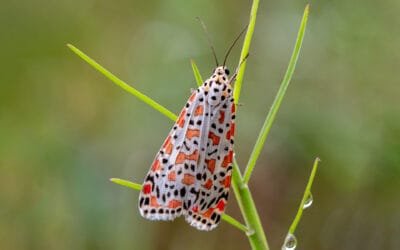
Have You Seen This Beautiful Crimson-Speckled Flunkey?
The crimson-speckled flunkey (Utetheisa pulchella), first described by Carl Linnaeus in his 1758 10th edition of Systema Naturae, is a widespread moth that occurs naturally in northern and central parts of Africa, the Mediterranean, Near East and Central Asia. However, it can travel far north with plumes of warm air during the summer or autumn and is observed sporadically even in England (less than 100-200 records in the last century).
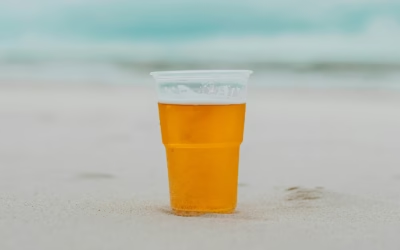
Cape Verdean Beer: Strela and the Islands’ New Craft Wave
A cold Cape Verdean beer bottle lands on the table, its green glass beaded with condensation. On Sal or Santiago, that bottle is almost certainly Strela…