
Explore Sal Island
Quiet beaches, steady winds, chilled bars. Welcome to Cape Verde’s easy-going paradise. ARTICLESOUR MISSIONTHE OCEAN, SAND & SUN
“Paradise is when your mind is in a perfect state,” says Frederick Lenz, and that’s what Cabo Verde offers you — it’s both a colourful and a happy place if you only discover its vibrant energy, natural beauty and great culture. The more you get to know it, the more fascinating it gets. Explore the Island of Sal through our website, and see if you fall in love with what Sal can offer you.
New Articles
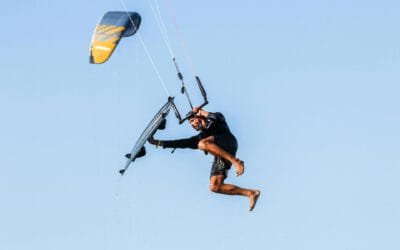
Kitesurfing on Sal Island: All You Need To Know
Sal has become a world-class kitesurfing destination, blessed with consistent trade winds, warm temperatures, and a laid-back atmosphere.
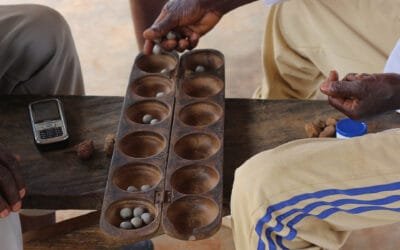
How to Play Ouril: Rules of The Traditional Game
Ouril (also spelt ouri, uril, urim, or ori depending on the island) is a traditional Cape Verdean board game of the mancala family. It was brought to Cabo Verde by enslaved people from West Africa and has been passed down through generations. The game is especially popular among men, often played in public squares and port towns, such as Mindelo (São Vicente). In essence, Ouril is a two-player strategy game where each player “sows” seeds and captures the opponent’s seeds to gain an advantage. Below is a comprehensive guide in two parts: first, a beginner-friendly walk-through of rules and gameplay; second, advanced tips on strategy and regional variations (including notes on the island of Sal).
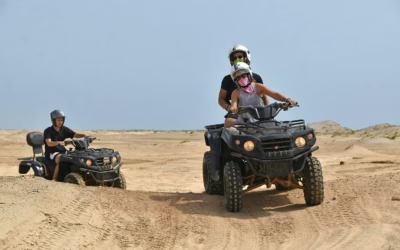
The Best Guide to Quad Tours and Rentals on Sal
Sal’s Quad Tours represent adventure tourism at its best. It’s professionally managed compared to other quad destinations, and has established safety standards.
Understanding Cape Verde
An essential step towards truly understanding a country’s culture is diving into its history. Events from the past profoundly shape local customs, behaviours, and the community’s character. To see Cabo Verde beyond its image as a sun-soaked tourist paradise, you first need to get familiar with its past — learning Caboverdian history is your starting point. From there, the authentic beauty and richness of local life become genuinely visible. Explore our pages to discover more about genuine Cape Verdean culture, away from tourist clichés.
Explore
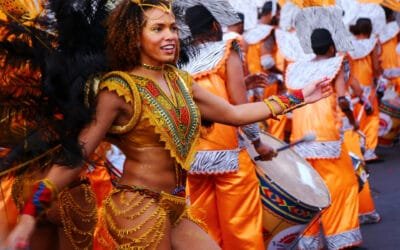
List of Most Important Events, Festivals and Holidays
[pac_divi_table_of_contents default_state="closed" included_headings="on|on|on|off|off|off" level_markers_1="none" level_markers_2="decimal" level_markers_3="whole" _builder_version="4.27.4" _module_preset="default" custom_margin="0px||||false|false"...

Pontche: the Sweet Liqueur and its Great Traditions
[pac_divi_table_of_contents default_state="closed" included_headings="on|on|on|off|off|off" level_markers_1="none" level_markers_2="decimal" level_markers_3="whole" _builder_version="4.27.4" _module_preset="default" custom_margin="0px||||false|false"...
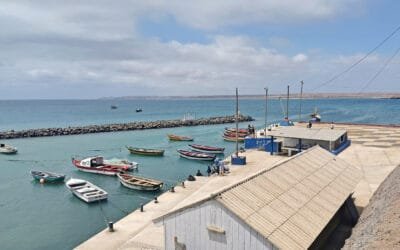
Quiet Harbor at the Crater’s Edge, Pedra de Lume
Perched just off the rugged coast east of Espargos lies the Porto de Pedra de Lume, a small recreational marina that speaks softly of Sal’s quieter side.

Radio Kriola: Listen to the True Cabo Verdean Music
On Sal, the air hums with morna’s chords and funaná’s beats. Thousands of kilometres away, Radio Kriola carries the music of the ten islands across continents.

Video: Learn Cape Verdean Creole Alphabet Easily
The only writing system officially recognised by the authorities in Cape Verde is called the Alfabeto Unificado para a Escrita da Língua Cabo-verdiana (ALUPEC), which translates to ‘Unified Alphabet for the Writing of the Cape Verdean Language’. It’s a phonetic...
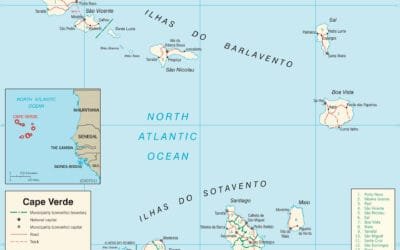
Cabo Verde in a Nutshell: History, Culture, Politics & Art
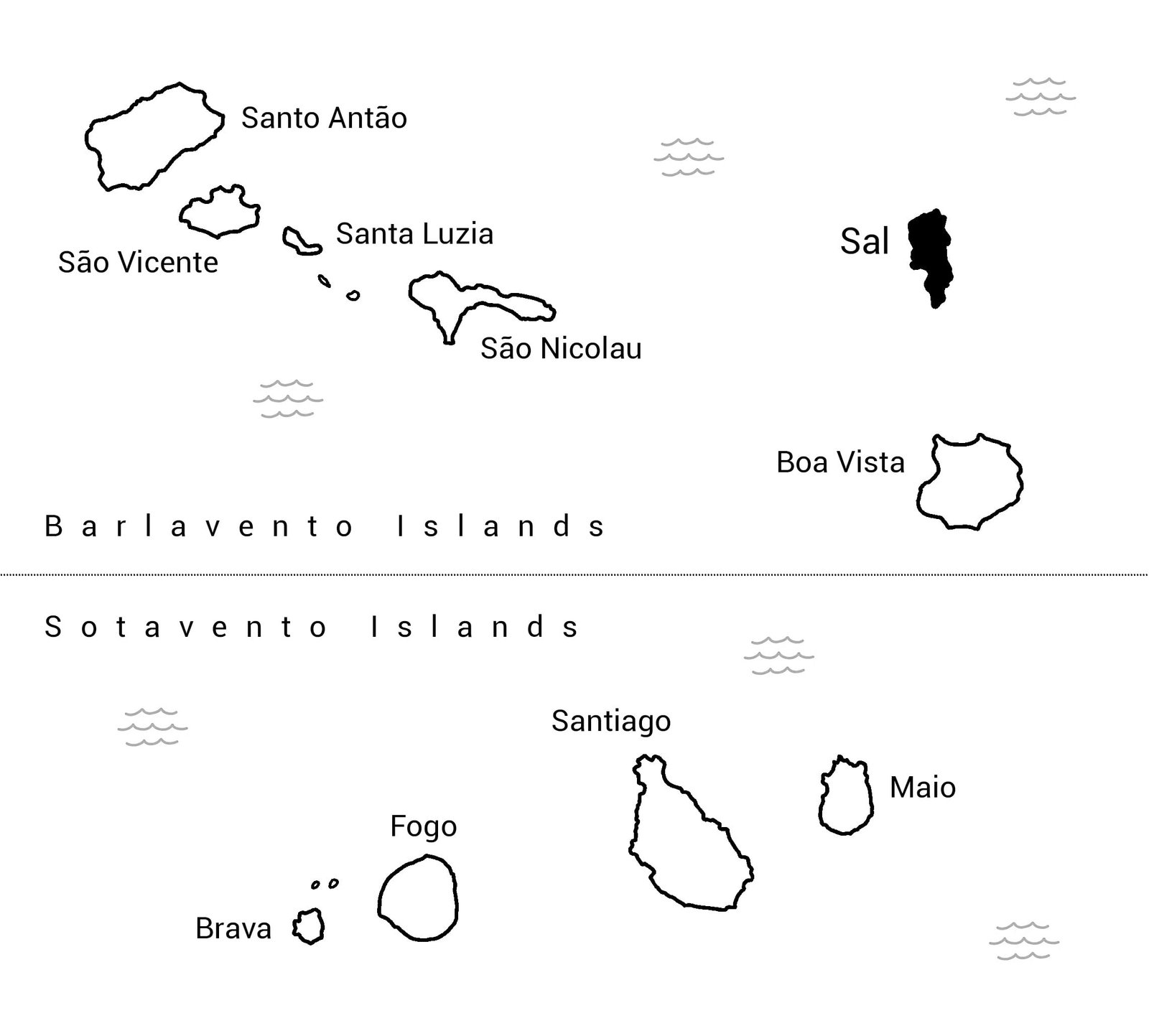
Cape Verde comprises ten islands, of which nine are inhabited, and is located 375 miles (600 kilometres) off the coast of Senegal. The combined area of all the islands is 1,557 square miles (4,033 square kilometres), roughly the size of Rhode Island. The islands vary in geographical characteristics. Sal, Boavista, Maio, and São Vicente are flat and desert-like, with stretches of dunes. Santiago, Santo Antão, Fogo, and São Nicolau are more mountainous and arable, although all the islands have a long history of drought. They are all of volcanic origin; Fogo, the only volcano that is still active, last erupted in 1995. The capital, Praia, is on the island of Santiago, which is the largest in terms of area and population and the first settled.
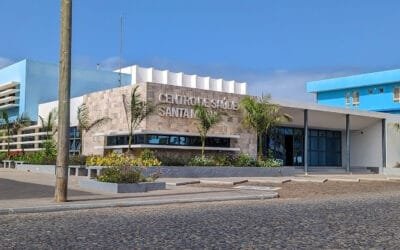
Sal’s Hospitals, Clinics and Pharmacies: Useful Notes
Whether you are on the island as a tourist or resident, it’s good to have up-to-date information on the nearest health centres and pharmacies. Health is a primary value, and it is crucial to protect it and to be able to get help quickly and efficiently in the event of illness or accident. I had the opportunity to visit almost all of the local clinics when I fell ill a few weeks after arriving on the island, and I still remember how much stress it caused me to search for information with a fever. Therefore, in this article, I tried to gather all the information on the island’s private and public health centres and pharmacies.
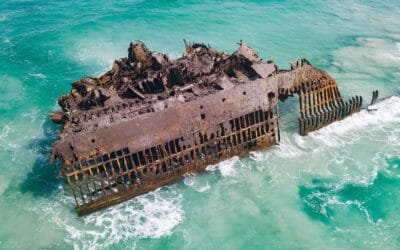
Spanish Shipwreck on The Beach of Boa Vista Island
Praia de Atalanta is a beach on the north coast of the island of Boa Vista, approximately 6 km northeast of the island capital of Sal Rei and 3 km west of Vigía. On its sandy beach stands the old, dark and corroded shipwreck. It’s a Spanish cargo ship named Cabo Santa Maria, which ran aground on September 1, 1968. Salty water and winds of the Atlantic took over that steel giant, slowly eroding and breaking it down.
The shipwreck’s corroded body became the icon of Praia da Atalanta, inspiring painters and writers.
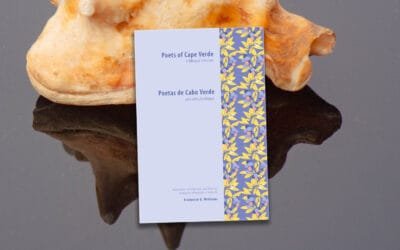
Enjoy Cape Verdean Poetry in English and Portougese
[pac_divi_table_of_contents default_state="closed" included_headings="on|on|on|off|off|off" level_markers_1="none" level_markers_2="decimal" level_markers_3="whole" _builder_version="4.27.4" _module_preset="default" custom_margin="0px||||false|false"...
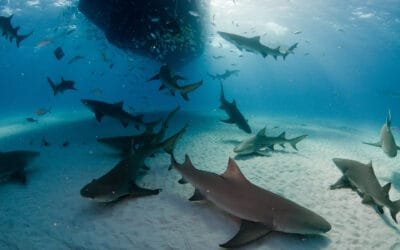
Lemon Sharks: Close Look at the Beautiful Species
The lemon shark (Negaprion brevirostris) occupies shallow waters, coral keys and mangrove forests along the Atlantic Ocean and parts of the Pacific. It inhabits and returns to specific nursery sites for breeding, like the Shark Bay of Sal Island – the shallow bay where you can go in the water to see the little lemon sharks closely.
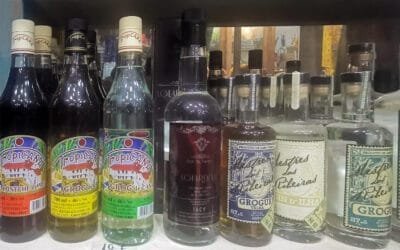
Grogue: The Famous, Strong Drink from Cape Verde
Grogue (pronounced “grog”) is to Cape Verde what cachaça is to Brazil or rum is to Jamaica: a sugarcane spirit deeply woven into the social fabric.
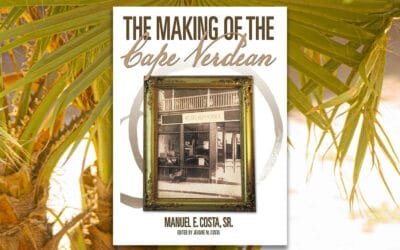
“Making of the Cape Verdean” by Manuel Costa
The Making of the Cape Verdean is a book written about Cape Verdeans who migrated from the Cape Verde Islands in the late 1800’s to the 1970’s to New Bedford Massachusetts. The book is based on the historical facts about the Portuguese colonization of the Cape Verde islands and its people located off the West Coast of Africa. The author provides the history of colonization under Portuguese rule of Salazar and how the Cape Verdean people survived famine, imprisonment, torture, politcal unrest and the abandonment of the Portuguese government.
In addition, the author gives you a voyeuristic view of what life was like growing up in the Cape Verdean community in New Bedford after they migrated to the United States. This book is a powerful recap of of Cape Verdeans from this period and location. There is no other documentation that captures the Cape Verdeans the way “The Making of the Cape Verdean” does in this book.
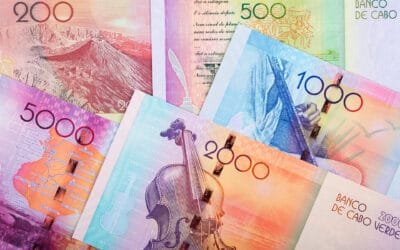
Escudos: Introducing People from Cape Verdean Banknotes
The available banknotes in Cape Verde include denominations of 200, 1,000, 2,000, 2,500, and 5,000 escudos. Each banknote features iconic landmarks, renowned cultural figures, or important events related to the history and culture of Cape Verde.
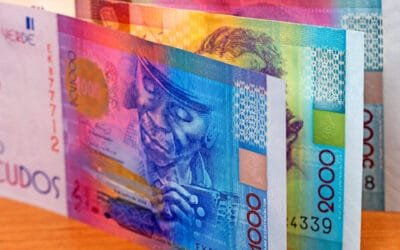
Escudos: All You Need to Know About The Currency
Cape Verde, officially known as the Republic of Cabo Verde, has its own currency known as the Cape Verdean Escudo (CVE). Here are some key details about the Cape Verdean currency.
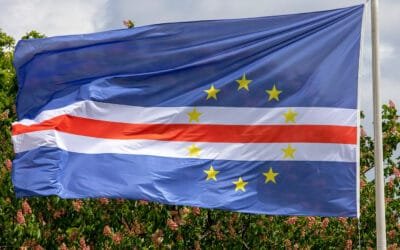
Dvelve Into the Symbolism of Cape Verdean Flag
Explore the meaning and history behind the Cabo Verdean flag. Learn how its design reflects the nation’s identity, daily life, and evolving culture.
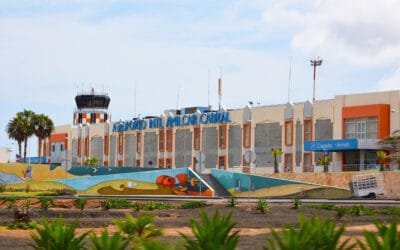
Amílcar Cabral International Airport: All You Need To Know
[pac_divi_table_of_contents default_state="closed" included_headings="on|on|on|off|off|off" level_markers_1="none" level_markers_2="decimal" level_markers_3="whole" _builder_version="4.27.4" _module_preset="default" custom_margin="0px||||false|false"...
Western Africa and Cabo Verde, 1790S-1830s
Western Africa and Cabo Verde, 1790s-1830s(…) addresses the collaboration of slave traders and shipmasters engaged in legitimate commerce.
Cape Verde’s Empresarias: Image and Reality
[pac_divi_table_of_contents default_state="closed" included_headings="on|on|on|off|off|off" level_markers_1="none" level_markers_2="decimal" level_markers_3="whole" _builder_version="4.27.4" _module_preset="default" custom_margin="0px||||false|false"...