Related Posts
Stray Dogs of Sal Island: Their Past and Situation Now
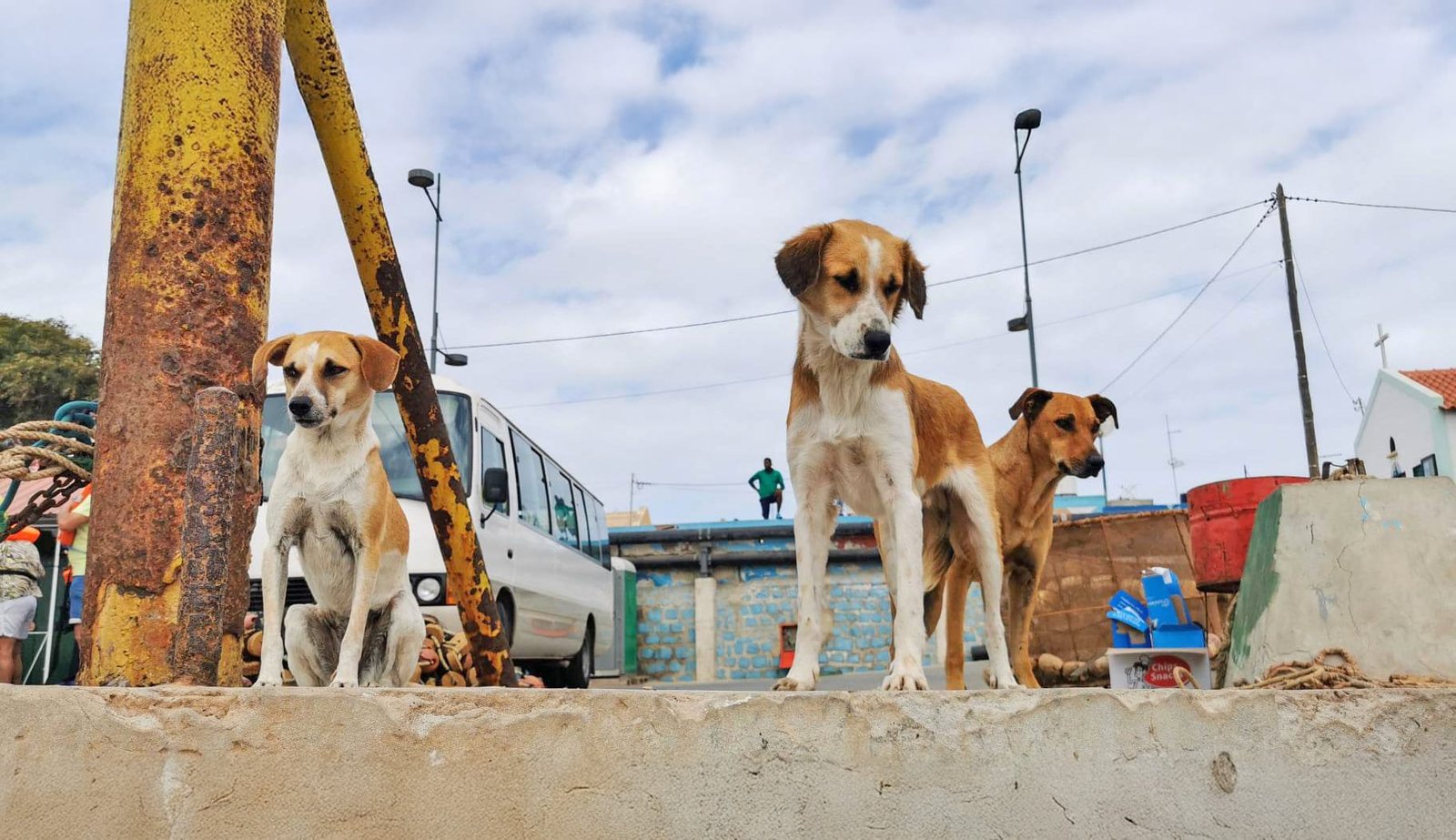
Sal Island is famed for its white sandy beaches and turquoise waters – a tropical paradise that attracts travellers from around the world. Yet first-time visitors are often surprised to encounter numerous stray dogs lounging on beaches or trotting down dusty roads. These animals, many gentle and sociable, have become an everyday part of life on Sal. How did this situation come about, and what does it mean for the island’s environment and community?
Sal’s Stray Dog Population
Read also: From Caravels to Creole Companions: Origins of Capeverdean Dogs
Sal’s stray dogs are mostly the descendants of domestic dogs that were abandoned or allowed to roam freely. Over the years, a combination of rapid growth, tourism, and limited animal control has fueled their numbers. Many dogs were originally kept as pets or guards, but were later left behind. In some cases, expatriate or local owners left the island (for example, returning to Europe) and did not, or could not, take their dogs, effectively leaving them to fend for themselves. Unsterilised dogs were then bred unchecked, and puppies born on the streets added to the stray population. Until recently, spaying/neutering was uncommon in Cape Verde, so even owned dogs often had litters that the owners could not care for.
Historically, local culture tolerated free-roaming dogs – it was not unusual for pet dogs to wander and socialise in the community. Most of the stray dogs on Sal are not truly “wild”: many are accustomed to people, and some even wear tattered collars, suggesting they once had owners. Over time, however, these roaming dogs formed a self-perpetuating population. By the mid-2010s, tourists and residents alike observed “huge numbers of stray dogs” on Sal. Without intervention, two dogs can rapidly turn into dozens; one female can birth multiple pups per year, and those pups begin reproducing within a year or two. This exponential breeding, combined with abandonment, set the stage for the situation seen today.
Another factor was the island’s booming tourism industry. Tourism brought prosperity but also transience: as jobs appeared and disappeared, some local workers migrated off-island, leaving their dogs behind. The steady food supply from hotels, beach bars, and well-meaning tourists also allowed more dogs to survive on the streets than the natural environment alone could support. During the COVID-19 pandemic, when tourism ground to a halt, many pet owners departed Sal in search of work and had no choice but to leave pets behind – a heartbreaking scenario that suddenly swelled the stray population. At the same time, the absence of tourists meant fewer restaurant scraps and handouts for the street dogs, leading to competition over scarcer food. This convergence of factors – abandonment, uncontrolled breeding, and irregular food sources – explains how Sal’s stray dogs became such a noticeable presence.
How Many Stray Dogs Are on Sal?
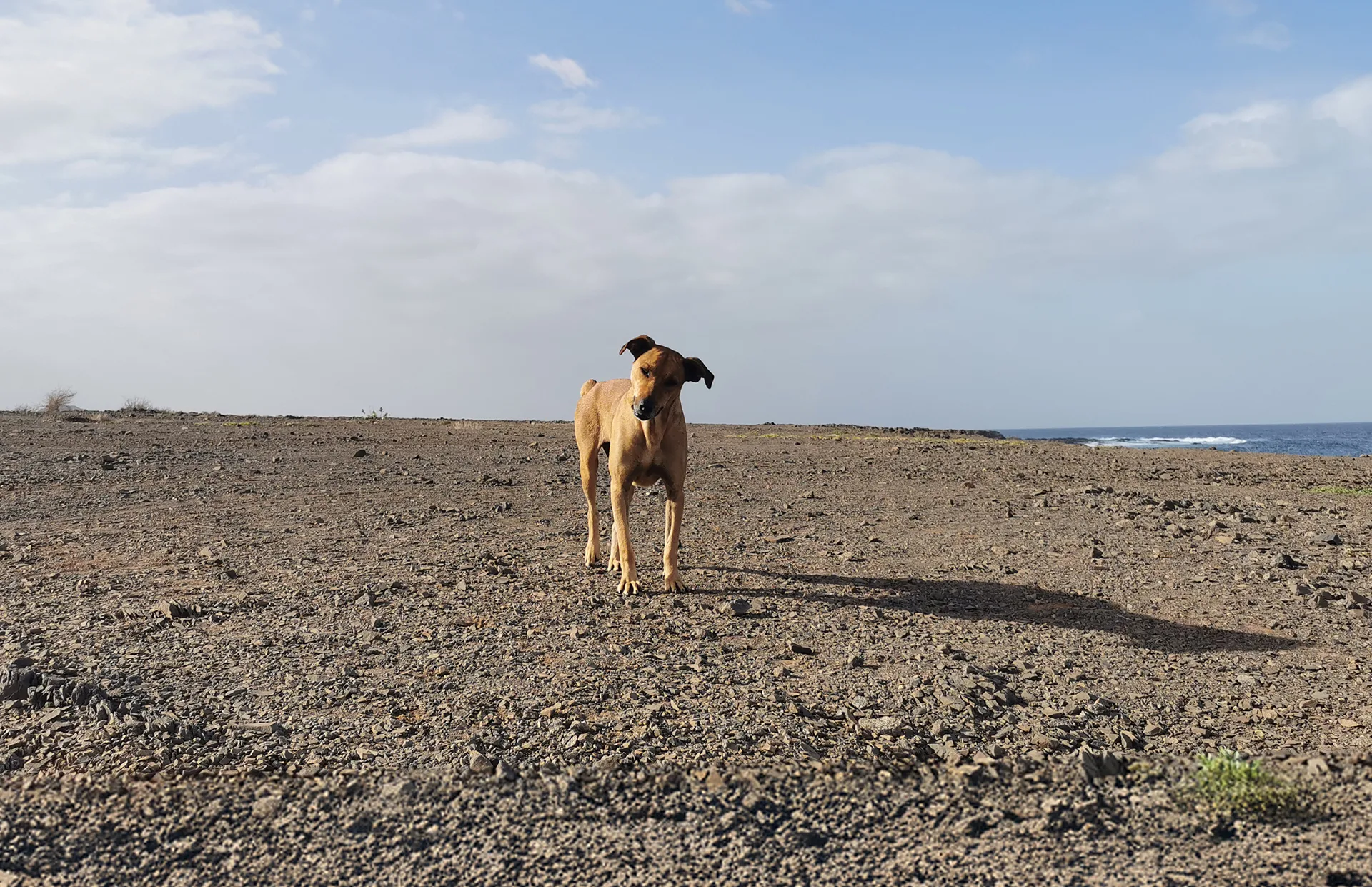
Obtaining an exact count of stray dogs on Sal is challenging, but estimates and campaign data indicate a population in the high hundreds (if not more). No official census exists, yet anecdotal evidence paints a striking picture. Visitors in recent years have described the island as “overrun with the poor things,” noting stray dogs visible “everywhere” in Santa Maria town and beyond. While such impressions are informal, they align with the scale implied by local animal welfare efforts.
For instance, an animal charity on Sal reported that in early 2014, over 800 dogs and cats were sterilised in just two clinic campaigns, bringing the total spayed/neutered since the program’s start to more than 3,800 animals. Considering that those were only the animals caught and brought in for surgery, it suggests a very large baseline population on the island. Another veterinary mission in 2021 similarly launched an island-wide dog survey before a mass neutering project. Although the results of that survey have not been published publicly, the need for an extensive campaign implies that hundreds of dogs roam Sal’s streets, beaches, and deserts.
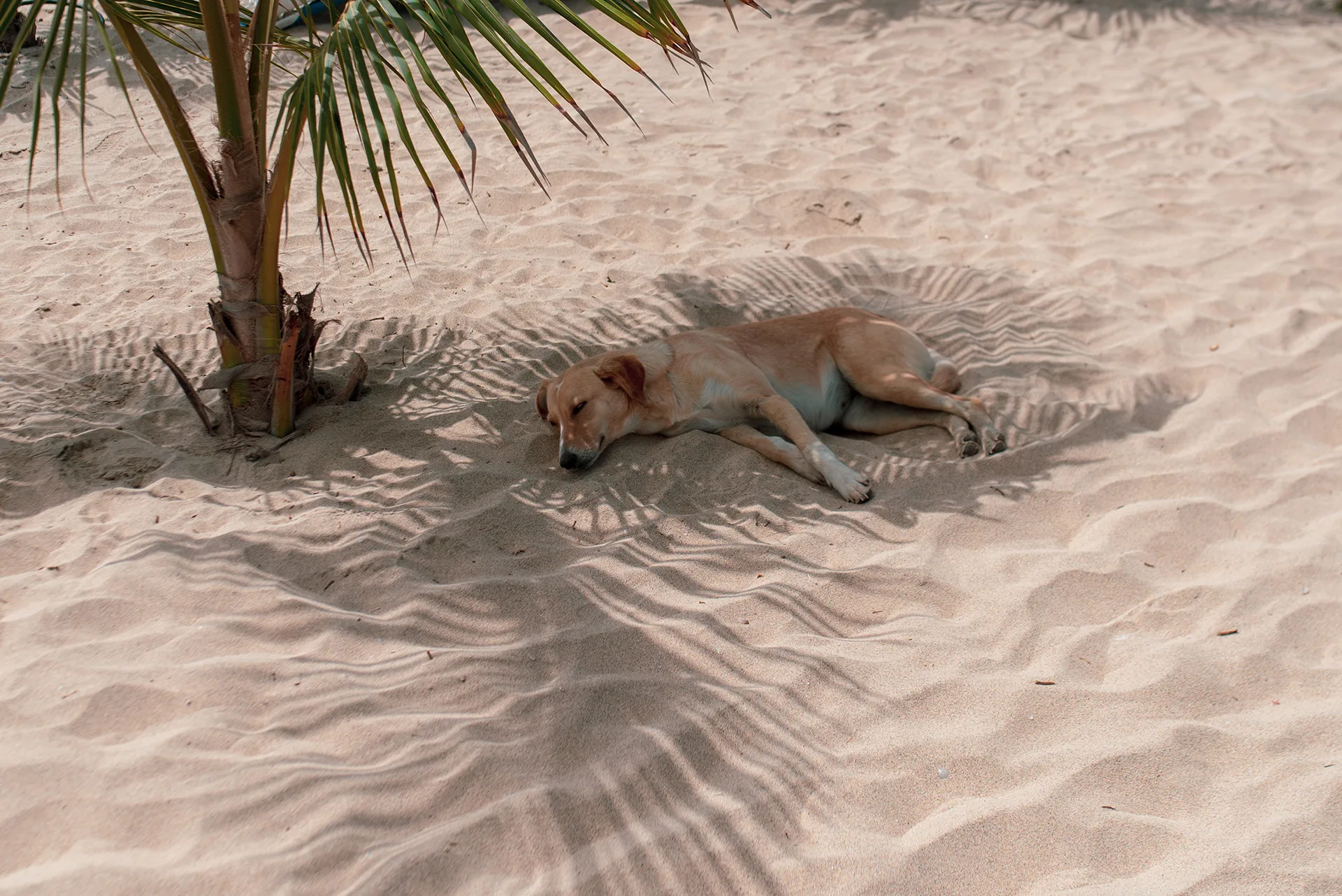
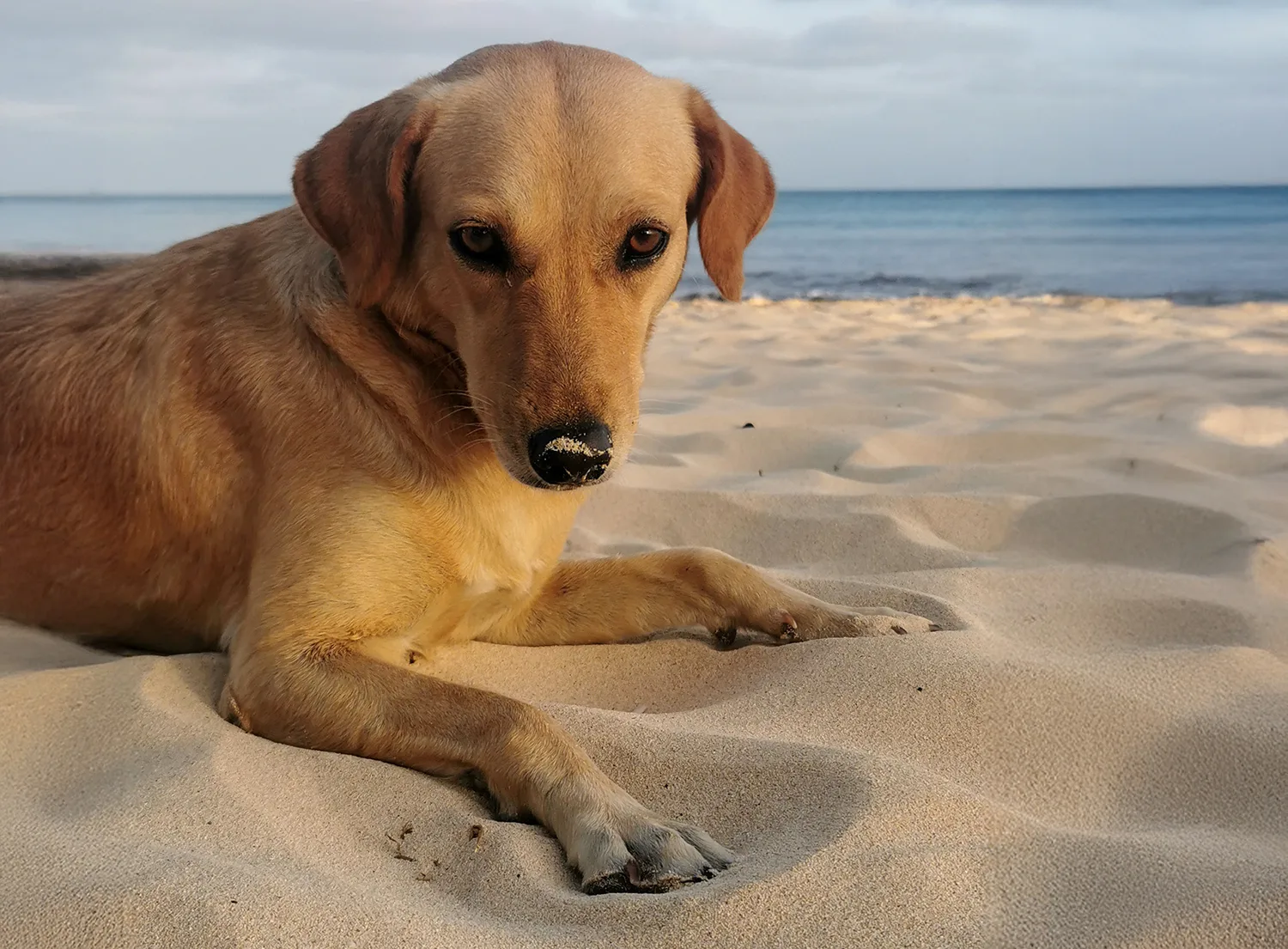
These dogs vary in appearance but tend to be medium-sized mixed breeds, often with short coats suited to the dry climate. Observers frequently remark on their amiable nature: most stray dogs on Sal are friendly, calm, and accustomed to human company, not feral pack animals. Photographers documenting Sal’s dogs have noted that many are playful or simply seek shade and a bit of food, and that some clearly have had human contact (as evidenced by old collars).
This suggests that a significant subset might be best described as community dogs – loosely owned or looked after by neighbourhoods – rather than completely ownerless strays. Nonetheless, the sheer volume of free-ranging dogs has raised concerns across multiple areas, including wildlife conservation, public health, and perceptions of tourism.
Impact on Wildlife and the Environment
One significant concern about Sal’s stray dogs is their impact on local wildlife, especially ground-nesting species. Dogs are not native to Cape Verde; on isolated islands like Sal, introduced predators can wreak havoc on indigenous fauna.
Seabirds have proven particularly vulnerable. Cape Verde is a notable hotspot for seabirds, with eight breeding species, including endemic birds found nowhere else. Many of these birds nest on remote islets or inaccessible cliffs, but some choose coastal areas or flatter ground on Sal and nearby islands – places that roaming dogs can reach.
Conservationists have documented instances of stray or feral dogs preying on seabirds. In fact, a recent multi-year study confirmed that in Cabo Verde, stray dogs (along with feral cats) have killed adult birds, chicks, and eggs in nesting colonies. Seabirds like boobies, tropicbirds, shearwaters, and petrels breed in the archipelago’s fragile habitats and are at risk from introduced predators.
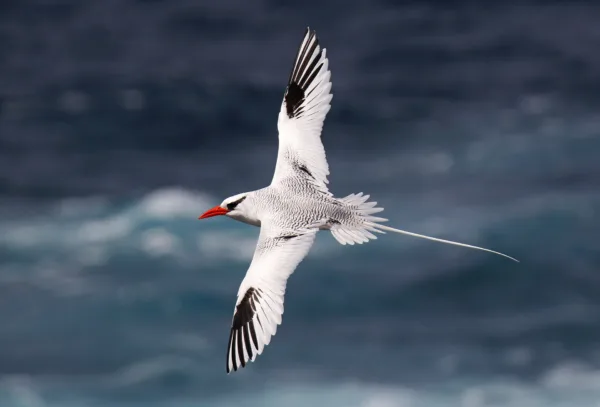
The Red-billed Tropicbird – an elegant white seabird locally known as rabo-de-junco – nests in Sal’s rocky shores and has suffered from such predation. Researchers from Project Biodiversity, a Sal-based NGO, found evidence of dogs raiding tropicbird nests on Sal, contributing to declining breeding success. BirdLife International, which coordinates regional seabird conservation, warns that invasive predators like dogs “can even cause local extinctions” of island bird colonies if left unchecked. Ground-nesting species have no defences against a hungry dog; a single dog loose in a nesting area can destroy dozens of eggs or kill multiple chicks in a short time.
Beyond birds, sea turtles are another high-profile casualty of interactions with stray dogs on Sal. The island is globally vital for Loggerhead Sea Turtles (Caretta caretta). Every summer, female loggerheads crawl onto Sal’s beaches to lay eggs, making Sal (together with Boa Vista) one of the largest nesting sites for this endangered species in the entire Eastern Atlantic. Conservation groups have worked hard to protect turtle nests from poaching and natural threats – and now they must also guard against dogs. As food became scarce inland, stray dogs increasingly wandered onto beaches, digging up turtle nests to eat the eggs. There are reports of dogs even attacking female turtles or scaring them away from prime nesting sites. This is a serious issue because every nest lost is a blow to the species’ survival. In response, conservation patrols at night now not only look for poachers but also keep an eye out for roaming dogs. Techniques such as using drones equipped with infrared cameras and even hiring shepherd dogs to guard beaches have been tried to deter stray dogs from sensitive nesting areas.
Other native animals can be affected too. Cape Verde has some endemic reptiles and invertebrates that ground-foraging dogs might disturb, though these impacts are less documented. On islands with livestock, stray dogs sometimes prey on goats or chickens – leading farmers to retaliate. (In Cabo Verde overall, it’s not unheard of for authorities to kill dogs that harass livestock, though Sal is not a major farming island.)
More broadly, the presence of an overabundant predator (dogs) upsets the ecological balance. In pristine island ecosystems, birds and turtles play critical roles: seabirds fertilise soils with guano, and turtles promote healthy seagrass beds and coral reefs. If dogs reduce seabird colonies or turtle hatchlings, the effects cascade through soil quality, vegetation, and even marine life. For an island priding itself on natural beauty, these ecological ripple effects are a serious concern. Preserving Sal’s biodiversity means the dog issue cannot be ignored.
Public Health and Safety Considerations
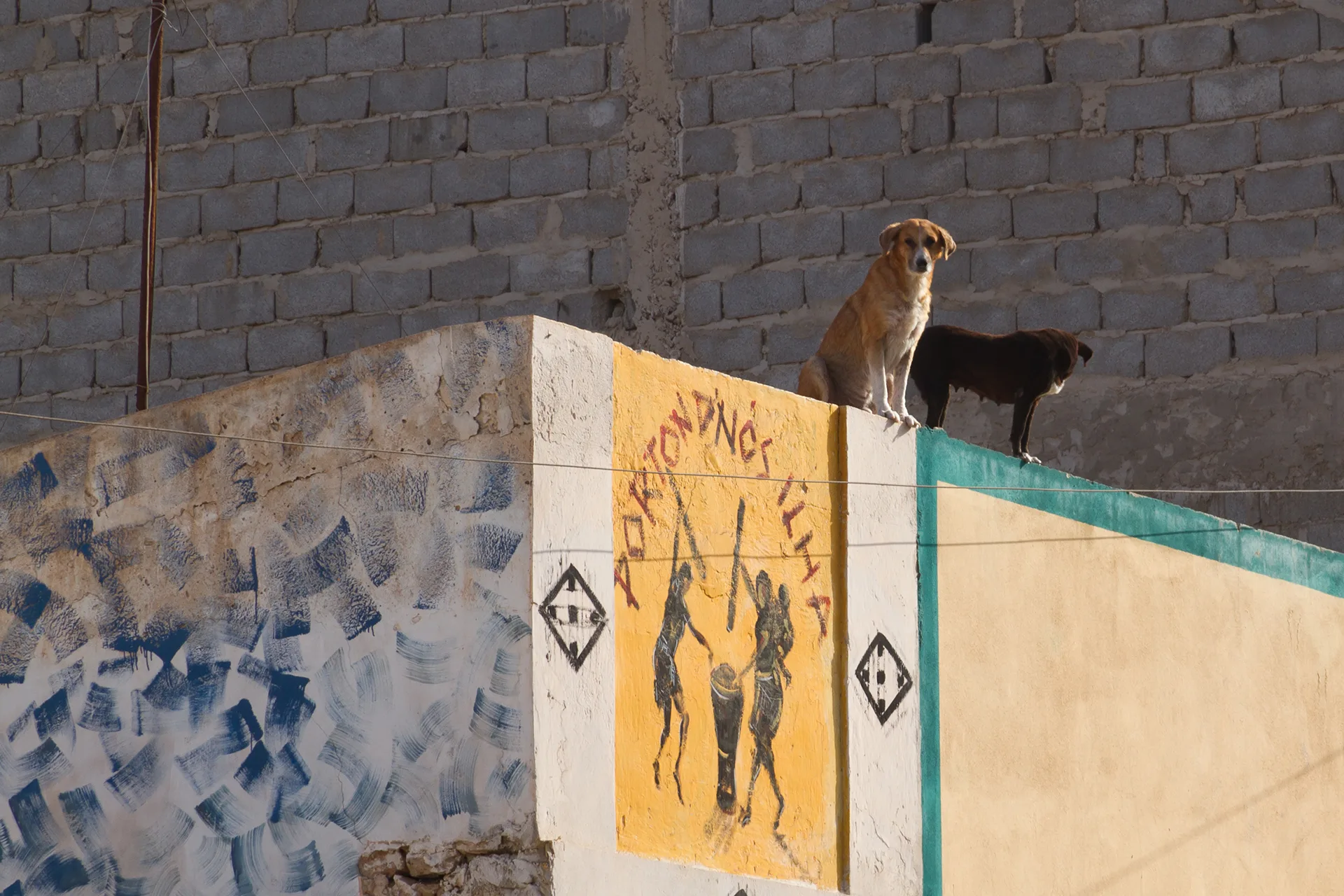
Whenever large populations of stray dogs live near people, public health and safety become considerations. The good news for Cape Verde is that one primary disease, rabies, is absent from the islands – there has never been an indigenous case of rabies in Cape Verde’s dogs. Veterinary and travel health authorities consider the country “no-risk” for canine rabies, likely thanks to its isolation. This means that, unlike in many countries, the stray dogs of Sal do not pose a rabies threat to locals or tourists. However, that doesn’t mean there are no health risks at all. Stray dogs can carry parasites, including fleas, ticks, and intestinal worms. If dogs defecate on beaches or near homes, there is a risk of bacteria or parasites being transmitted to people (for example, children playing in the sand could be exposed to hookworm larvae). These are mostly low-probability issues and can be managed with basic hygiene, but they are part of the reason health officials prefer not to have large unmanaged dog populations in town.
Another concern is dog bites or aggressive encounters. On Sal, most strays are friendly as noted, but when dogs form packs or compete over food, they may become bolder. There have been occasional reports of joggers or bicyclists chased by groups of stray dogs. In rare instances, a person might get bitten. Even a non-rabid bite can require medical attention to prevent infection. Local clinics must be prepared to treat dog bites (wound cleaning, antibiotics), and tourists might find such incidents frightening. That said, serious attacks on Sal appear uncommon – the dogs there have coexisted with humans for generations and tend to be mild-mannered. Many tourists actually seek the dogs out to pet or feed them, rather than fear them. Still, animal welfare groups caution visitors not to encourage large groups of dogs or to approach unknown animals too closely, both for their safety and the dogs’ well-being.
From a public sanitation perspective, numerous strays can mean trash being ripped open (dogs scavenging through bins), noise from barking or fighting at night, and occasional traffic hazards when dogs wander onto roads. In Santa Maria, the tourist hub, one can see dogs napping even on hotel lawns or strolling through outdoor restaurants. While some travellers delight in this and treat the dogs as island mascots, others may view it as an uncontrolled nuisance. Stray dogs have been known to follow people seeking food or attention – charming to some, but annoying to others. Balancing these varied perceptions is a challenge for authorities who want to ensure visitors feel safe and comfortable.
Finally, there is a psychological public health aspect: the distress caused by seeing sick or injured stray dogs. Many of these animals suffer from chronic hunger, untreated illnesses, or injuries sustained in fights or accidents. Conditions such as mange, open wounds, and severe weakness are not uncommon, particularly among puppies and older dogs. For visitors (and locals) who care about animals, encountering such suffering can be deeply distressing and ethically troubling. Beyond the emotional impact on tourists, these scenes highlight the ongoing hardship faced by the dogs themselves and the need for sustained veterinary care, population control, and humane management. In many cases, visitors who witness the animals’ condition feel a strong urge to help, later supporting rescue initiatives or advocating for improved animal welfare on Sal. While the stray dog population does not pose a significant disease risk to humans, their visible suffering underscores the need for long-term measures that protect animal well-being while maintaining a healthy environment for residents and visitors alike.
Tourism Implications: Paradise or Problem?
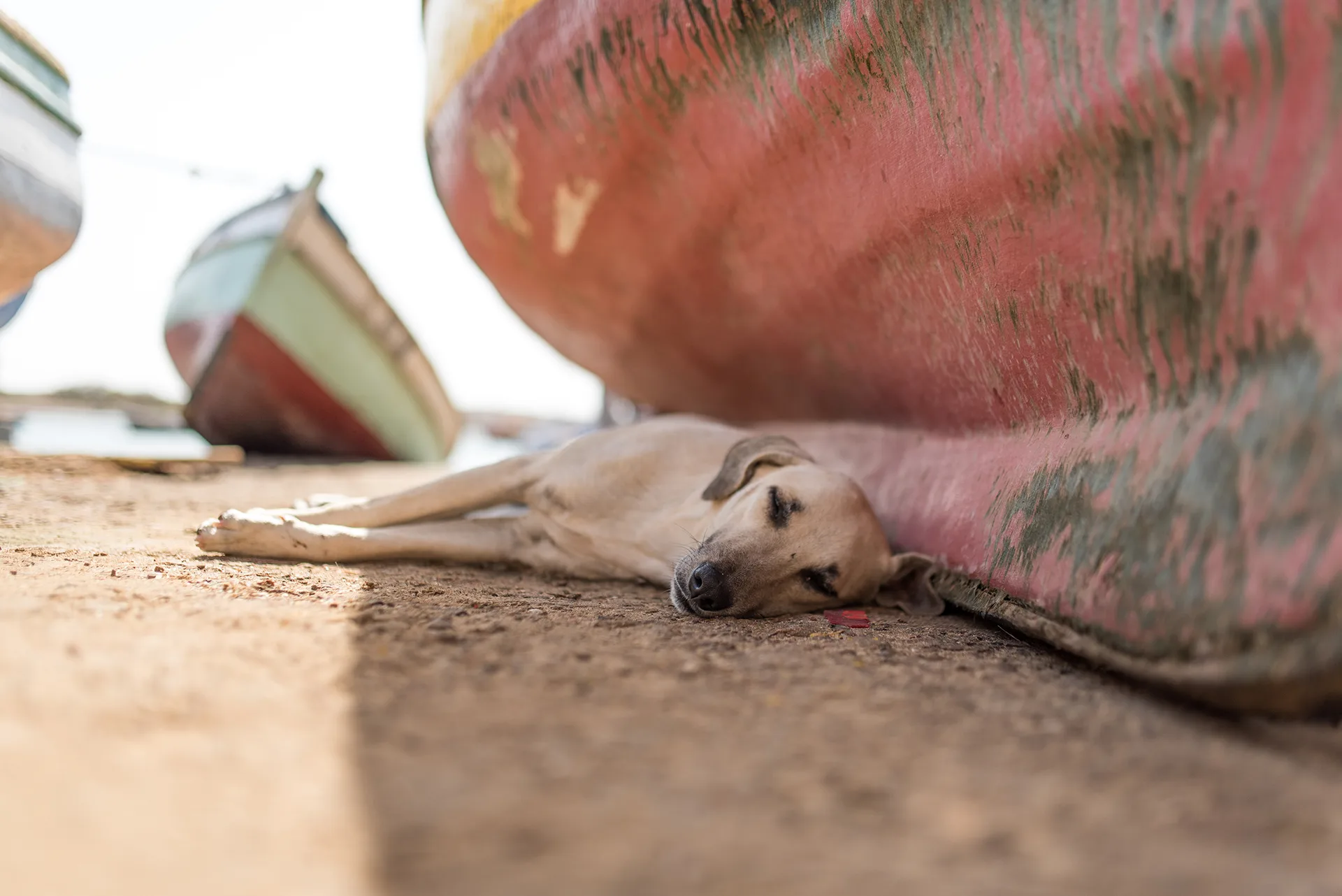
Tourism is the lifeblood of Sal’s economy, so the stray dog issue inevitably intersects with the island’s image and visitors’ experiences. Interestingly, tourists’ reactions to Sal’s dogs span a broad spectrum. On one end, many visitors form an emotional connection with the free-ranging canines. It’s common to see sunbathers sharing their water or leftovers with a polite beach dog under the table. Some tourists even “adopt” a favourite stray during their stay, giving it a nickname and looking for it each day. There are stories of travellers returning to Sal multiple times to check on dogs they met, or even arranging overseas adoptions. In fact, a whole volunteer network has developed to assist tourists in rescuing Sal dogs and exporting them to new homes abroad. These dog-loving visitors often leave glowing reviews of Sal, praising the “sweet” street dogs and the community that helps them.
On the other end of the spectrum, some vacationers are taken aback or disturbed by the sheer number of strays. Not everyone expects to see packs of dogs hanging around resorts, and a few have complained that it made them uncomfortable. Some tourists remarked that the island is overrun with “the poor things”, expressing sadness at seeing so many homeless dogs in varying conditions. There are also concerns about dogs approaching people who may not like or trust animals. For example, families with small children might worry when unknown dogs approach. A friendly beach dog begging for food might delight some patrons but irritate others.
A particularly negative impact on tourism occurs when authorities handle the stray population inhumanely or when cruelty comes to light. In the past, to control dog numbers, local municipalities sometimes resorted to poisoning campaigns or other culling methods (more on that in the next section). News of such actions spreads quickly via social media and travel sites, prompting outrage. Animal-loving tourists have flatly stated they would not return to Cape Verde if they heard dogs were being mass poisoned or harmed. For instance, a few years ago, reports surfaced about dogs being poisoned around Santa Maria’s hotels, allegedly to keep them away from guests. This led to a public relations backlash. Many tourists signalled that cruelty to the island’s beloved strays would be unacceptable and would damage Sal’s reputation as a welcoming destination.
Conversely, Sal has an opportunity to turn its dog situation into a positive aspect of the tourist experience by showcasing humane treatment and community compassion. Some travel companies and expat groups actively promote donations to local animal charities and even include visits to dog shelters as part of the itinerary for interested visitors. A reputation for kindness toward animals can enhance the morabeza (hospitality) for which Cape Verde is known. The key point is how stray dogs are managed, which can either enhance or detract from Sal’s appeal to visitors. Done right, caring for these animals and keeping them healthy can become a feel-good story that people remember fondly.
Animal Welfare Concerns for the Dogs Themselves
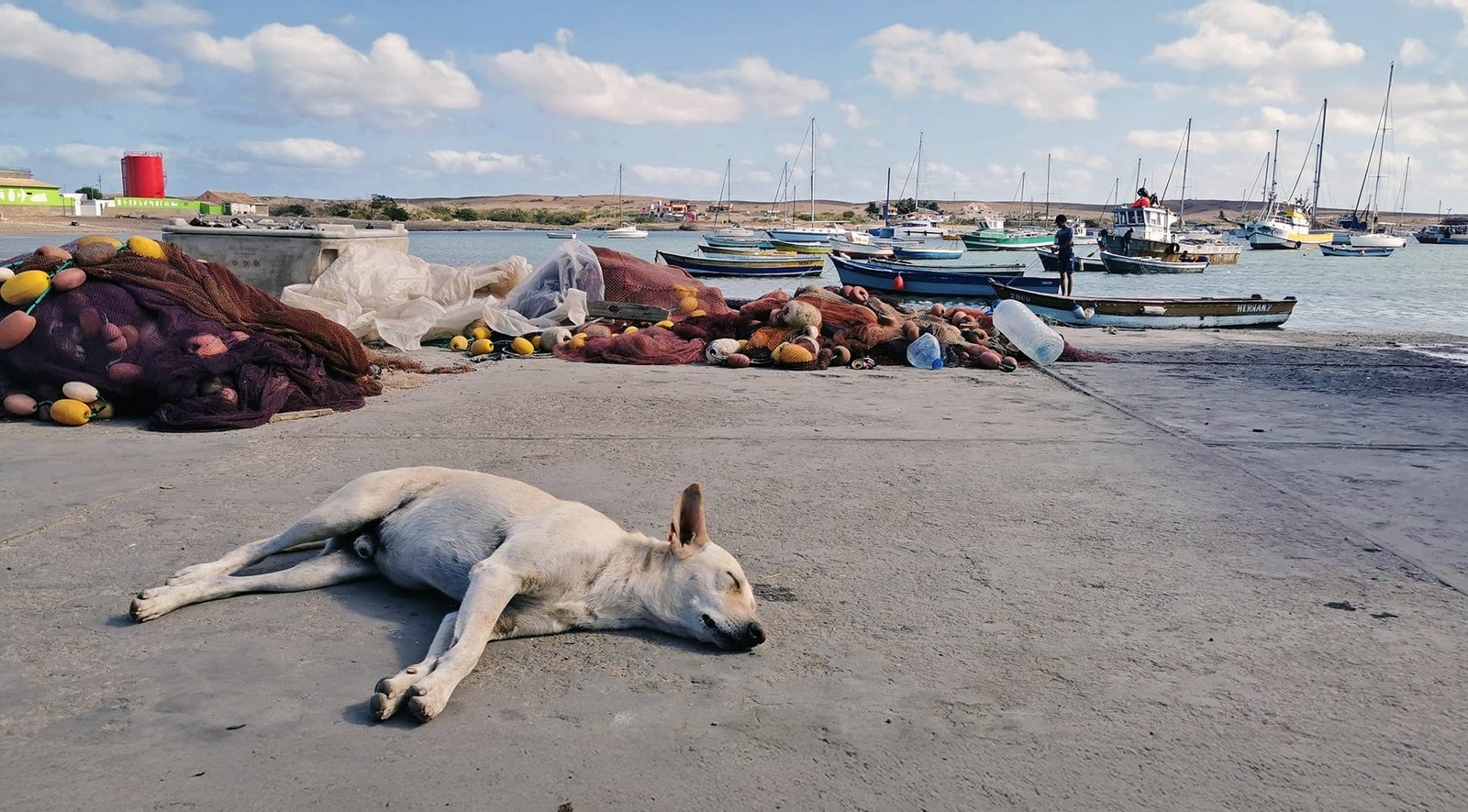
Amid discussions of wildlife and tourism, it’s important not to lose sight of the dogs’ own well-being. What is life like for a stray dog on Sal? The answer is mixed. Thanks to the mild climate and sympathetic locals, many street dogs survive reasonably well. They often form loose packs or buddy pairs for companionship. In tourist areas, they are seldom short of water or scraps – an ingenious dog can get fed by multiple restaurants in a day. Many observers have noted that the dogs are usually friendly and calm around people, suggesting the general populace doesn’t frequently abuse them. Some locals and expats make it part of their routine to feed street dogs, even organising weekly feeding rounds and Facebook groups to share info on dogs that need help. In Santa Maria, a number of the beach dogs are actually community pets with informal names, semi-cared for by residents and workers. This human support means that not every stray is starving.
However, the picture isn’t universally rosy. Stray dogs face many hazards and often suffer from poor health. Common issues include malnutrition (especially among dogs living farther from tourist centres), parasites such as ticks, fleas, and mange mites, and injuries from fights or accidents. It’s not unusual to see dogs with patchy fur (a sign of mange) or limping on injured legs. Puppies born on the streets have a particularly hard time: many die of disease or dehydration before reaching adulthood. Sometimes, one can see dead puppies and kittens run over and abandoned by the roadside. Veterinary care on Sal is limited, and while local charities try to treat as many animals as possible, they can’t reach all the suffering animals. Distemper and parvovirus outbreaks (deadly viral diseases affecting dogs) have occurred in the past in Cape Verde, posing lethal threats to unvaccinated strays.
Perhaps the most troubling aspect is when stray dogs become victims of intentional cruelty or culling. In years past, the authorities sometimes carried out mass poisonings of stray dogs and cats in Sal and other islands, using strychnine or other toxins. These incidents resulted in agonising deaths for the animals and traumatised onlookers. Even outside of official culls, there have been reports of individuals harming dogs – throwing stones (so commonly that activists had to remind people “stones hurt dogs”), beating them, or poisoning them clandestinely. A recent petition described dogs on the islands being “poisoned, beaten, killed, starved, trapped in cages and dumped in random places left to die”. While this petition paints a bleak picture (likely reflecting the worst cases), it highlights that cruelty does occur. In January 2024, animal lovers on Sal held a protest against a spate of dog poisonings that had happened in the preceding months, demanding enforcement of anti-cruelty laws. Such events underscore the precarious situation stray dogs are in – loved by some but seen as pests by others, who may resort to brutal measures against them.
Ultimately, the stray dogs of Sal live neither the pampered life of pets nor the truly wild life of self-sufficient animals. They exist in a limbo, dependent on human kindness for food yet vulnerable to human callousness. Their welfare is a constant concern for local animal charities, which strive to provide food, shelter, and medical care to as many dogs as they can. The push to control the dog population through humane means is driven as much by compassion for the dogs as by any other motive. Every dog neutered and vaccinated is one less dog born into hardship, and one more that can live out its days in relative health. The goal is for Sal’s dogs to have healthier and happier lives, even if they remain street dogs. Achieving that ties directly to the community and official responses to the issue.
Community Attitudes and Local Responses
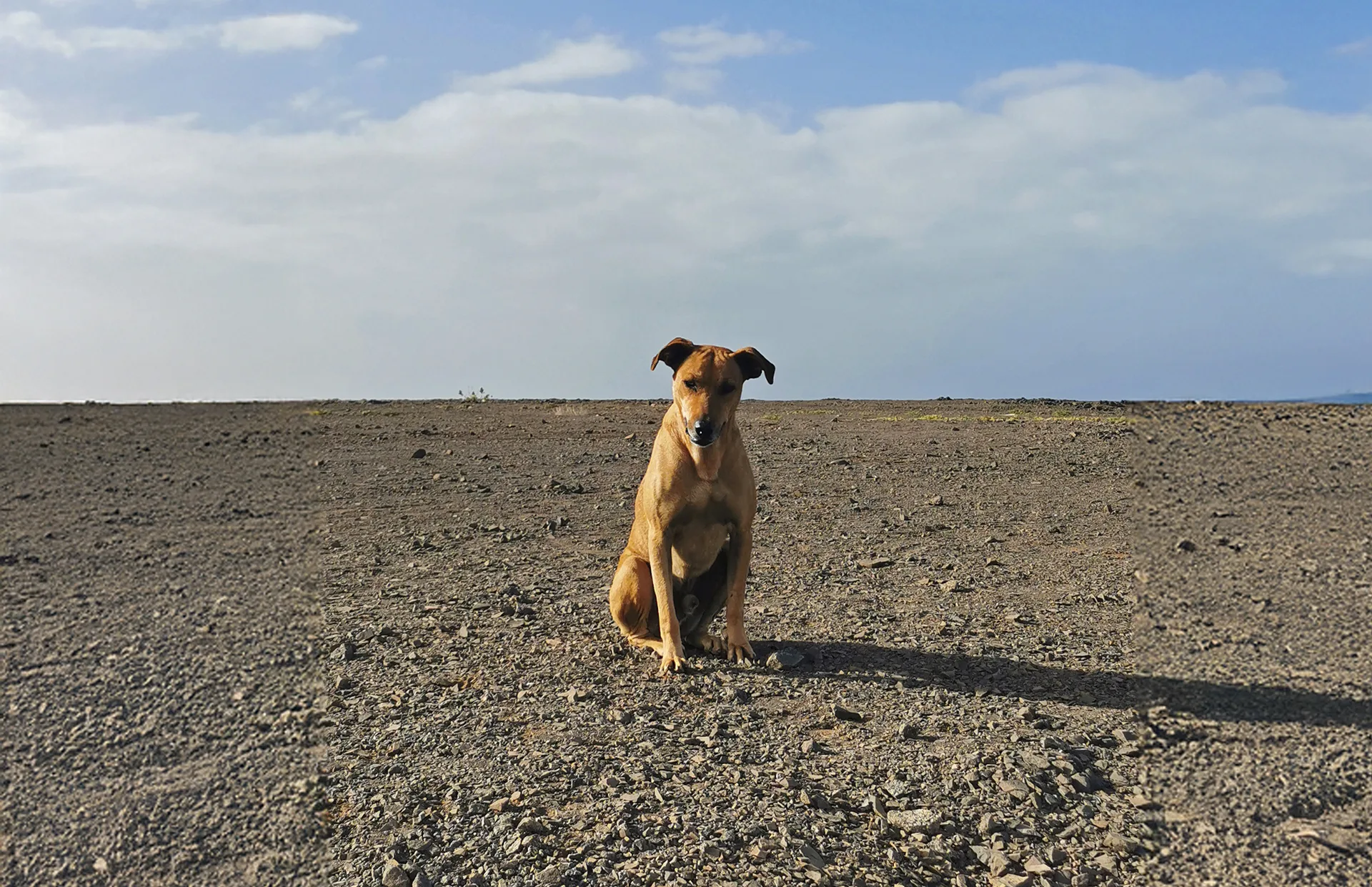
Sal is a small island community, and locals’ attitudes toward stray dogs are diverse. Many Cape Verdeans on Sal have a cultural familiarity with dogs – they have traditionally been kept as guards or hunting companions, and the concept of an indoor-only pet was not common until recently. Thus, some locals view the street dogs with a benign acceptance, considering them a normal part of the island’s environment. It is not unusual for residents to informally “adopt” a neighbourhood stray, feeding it scraps and even naming it, without formally taking it into their home. As one animal volunteer from OSPA observed:
“From living within the community, we know many locals live in harmony with the animals around them” (source).
These community caregivers are an unsung reason why the dogs have persisted – they ensure the creatures don’t all go hungry, and they sometimes alert NGOs if a dog is injured or needs help.
On the other hand, there are some locals who see the stray dogs as a nuisance or even a threat. For instance, if a dog kills a family’s chickens or is suspected of attacking livestock, that dog will be viewed very negatively. In more urban parts of Cape Verde (such as the capital, Praia, on a different island), frustration with aggressive stray dog packs led some citizens to support culling measures in the past.
On Sal, where tourism is key, some business owners also worry that the presence of too many dogs (and the mess or occasional scares they cause) could hurt business. This has led to tensions: while NGOs push sterilisation and care, impatient critics sometimes advocate for “getting rid” of the dogs swiftly. This split was visible in the controversy over poisonings; what animal activists call a cruel atrocity, a few others quietly see as a quick fix to reduce stray numbers.
Thankfully, the trend on Sal in recent years has leaned toward compassion and community engagement in humane solutions. Education efforts have been ongoing to shift perceptions. School programs and local media have spread messages about responsible pet ownership – encouraging people not to abandon dogs, to consider sterilisation, and to treat animals kindly. The idea that “whoever is cruel to animals cannot be a good person” has been emphasised by campaigners, linking animal welfare to Cape Verde’s values. There are signs of change: more locals are bringing their pets to neutering clinics (which are often offered free or at low cost), and local volunteers now participate in dog rescue operations that were once run mainly by expatriates.
The community has also organised in novel ways. Neighbourhood watch-style groups have formed to monitor for poisonings or abuse, reporting any such incidents to the police (there are laws now that criminalise animal cruelty, at least on paper). In January 2024, residents and expats marched side by side in Santa Maria to protest poisonings and demand enforcement of these laws. Local municipalities have been pressured by civic movements such as the Movimento Civil para as Comunidades Responsáveis (MCCR), a nationwide civil initiative advocating ethical dog population management. In Sal’s case, community pressure and dialogue resulted in the local council agreeing to support sterilisation campaigns and to refrain from old culling practices.
All these efforts indicate that a significant portion of Sal’s society cares about the fate of these animals. It’s a delicate balance: one must acknowledge legitimate public concerns (noise, safety, environment) while nurturing the innate compassion Cape Verdeans have for living creatures. In practice, this has meant more collaboration between NGOs and local authorities, and between locals and expatriate animal welfare workers. The stray dogs have, in a way, catalysed a stronger community spirit – uniting people who want to see Sal exemplify humane and responsible solutions that could serve as a model for other islands.
Actions and Initiatives to Manage the Stray Population
Recognizing the multifaceted challenge, a range of actions have been taken by local government, NGOs, and international partners to manage Sal’s stray dog population. The emphasis since the late 2010s has been on humane, sustainable control measures rather than lethal culling. Here are some of the key initiatives:
Mass Sterilization Campaigns
Spaying and neutering dogs (and cats) is at the core of the strategy. Animal welfare associations on Sal have organised regular free clinics, often in partnership with foreign veterinary teams. For example, the charity Save Cats and Dogs of Cape Verde ran numerous spay/neuter clinics starting in 2009. By 2015, they had conducted 9 campaigns on Sal, sterilising thousands of animals in total. These campaigns are typically two-week blitzes where volunteer vets from abroad (notably from a German organisation called Tierärztepool and others) perform surgeries dawn to dusk. In 2021, the UK-based Worldwide Veterinary Service (WVS) joined forces with Sal’s authorities and local groups to launch an island-wide sterilisation drive. WVS brought vets and resources, aiming to neuter a large percentage of the stray dogs in a short period. The logic is simple: fewer births = fewer strays. The World Health Organisation (WHO) has long concluded that sterilisation is the only effective and humane way to reduce stray dog numbers, since simply killing dogs tends to be counterproductive (the population rebounds as survivors breed). Early results are promising – thousands of dogs on Sal have now been fixed, preventing untold numbers of puppies from being born into homelessness.
Vaccination and Veterinary Care
Alongside spay/neuter, campaigns provide other treatments. Dogs that come through clinics are vaccinated against diseases and often treated for parasites or injuries on the spot. This improves the health of the stray population and reduces public health risks. Some initiatives have also begun systematic rabies vaccination even though rabies isn’t present – a precaution to maintain the island’s rabies-free status and ease any public concern. Additionally, local veterinary services (with support from NGOs) respond to urgent cases, such as rescuing a dog hit by a car and providing surgery. The charity OSPA’s 2015 creation of a rehoming centre provided a place to house injured or vulnerable dogs during recovery. As of 2023, OSPA’s shelter cares for around 60–70 dogs at any time, providing food and medical care and working to find them adoptive homes.
Adoption and Rehoming Programs
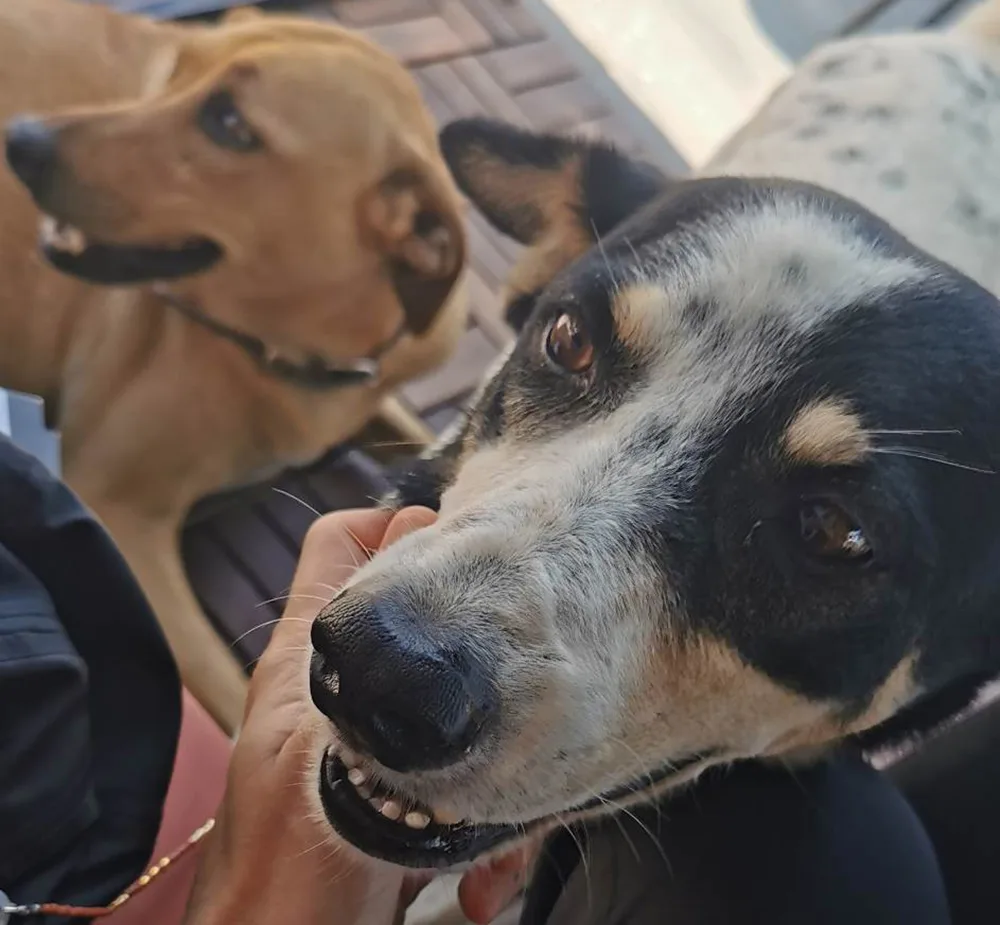
Local charities actively seek to rehome dogs whenever possible. This includes facilitating international adoptions – many Sal dogs have found forever homes in Europe or North America thanks to the efforts of groups like Cape Verde Stray Dog Rescue (a volunteer network on social media) and OSPA. Tourists who fall in love with a dog can get help with the complex paperwork and transport needed to adopt abroad. In Cape Verde, adoption is less common (due to cultural differences and most families already having as many dogs as they can handle), but there is a slow increase in local adoptions as well. Every adopted dog effectively reduces the stray count by one and serves as an ambassador of the cause.
Feeding and Monitoring Programs
Some NGOs and volunteers conduct regular feeding drives to ensure strays are nourished, especially in the leaner off-season. While feeding might seem to sustain the population, it is done in tandem with catching dogs for sterilisation – well-fed dogs are easier to catch and handle. During these interactions, volunteers also monitor the dogs’ health and numbers, creating an informal census. They might tag or name dogs to keep track of them. Such community-based monitoring helps quickly identify new litters or sick animals. It also builds trust with the dogs, making them more approachable for capture when needed.
Public Education and Responsible Ownership
On the preventative side, Sal’s municipality and civil groups have been educating pet owners. They promote messages like “Adopt, don’t abandon” and emphasise that owning a dog is a long-term responsibility. School outreach efforts encourage the next generation to value animals and treat them kindly. Radio programs and church announcements have been used to spread the word about upcoming free sterilisation clinics – urging owners to bring their dogs in rather than let them keep reproducing. The involvement of community leaders and even local celebrities (when possible) lends weight to these campaigns. Over time, these efforts aim to change the mindset so that fewer pet dogs are left to become strays in the first place.
Legislation and Policy Changes
A landmark shift occurred in 2019, when Sal’s local government became the first in Cape Verde to sign on to the National Alliance for Ethical Dog and Cat Management. This alliance, supported by animal welfare advocates, committed Sal to using humane population control methods going forward – explicitly moving away from poisoning or electrocuting dogs. It was a public pledge that killing would not be the go-to solution. At the national level, Cape Verde’s government has also taken steps: a law for animal protection was eventually passed (in 2018, the National Assembly debated it with input from MCCR and even a Portuguese animal welfare politician). That law prohibits cruel treatment and unlicensed dog culling, and provides municipalities with a framework for implementing spay/neuter programs. While enforcement has been spotty, the mere existence of the law gives activists a tool to hold authorities accountable. Furthermore, some municipalities (like Praia and others) have begun establishing dedicated animal control units tasked not with killing, but with capturing strays for vaccination and sterilisation, and handling complaints in a humane way. On Sal, the collaboration with NGOs like Project Biodiversity and MCCR has resulted in formal protocols for dog population management within protected areas as well – for example, agreements that any dogs found roaming in nature reserves will be caught and placed in shelter rather than harmed.
In combination, these actions represent a comprehensive approach: reduce the number of new births, improve the health of existing dogs, find homes for as many as possible, and educate the public. It is not an overnight fix – in fact, it may take years to see a dramatic drop in stray numbers. But there are already anecdotal reports that the stray population has stabilised and may be declining slightly due to the high volume of neuterings. One encouraging metric comes from outside Sal: on Maio Island (another Cape Verde island), a sustained spay/neuter program kept strays to a minimum, and Maio is now cited as an example of how ethical control can succeed. Sal’s challenge is larger, but with continued effort, the hope is that stray dogs will gradually become fewer, healthier, and better integrated into communities.
Balancing Animal Welfare with Conservation Goals
Sal Island’s situation highlights a broader conservation dilemma: how to manage introduced species humanely while protecting native wildlife. Stray dogs are an invasive predator on islands like Sal, yet unlike rats or mice, they are also sentient domestic animals that people care for. This means Sal’s conservationists and animal advocates must work hand in hand. Fortunately, there is a strong alliance between the two on this island. Project Biodiversity, primarily a conservation NGO focused on turtles and birds, actively supports dog sterilisation campaigns as part of its invasive species control efforts. Their philosophy is that protecting Sal’s biodiversity (seabirds, turtles, and endemic species) and caring for animal welfare can go hand in hand. Every dog neutered and kept healthy is one less desperate predator in a nesting colony. By preventing overpopulation, fewer hungry dogs will seek turtle eggs or seabird chicks. In other words, what’s good for the stray dogs (fewer births, less hunger) is good for wildlife too.
There are still tough calls to be made. In extreme cases where an individual stray dog repeatedly raids nests or attacks endangered animals, authorities may have to remove the dog from the wild – ideally by rehoming it at a shelter or outside the sensitive area. Cape Verde’s park rangers have had to remove cats and dogs from uninhabited islets that serve as key bird nesting sites. Such interventions are handled carefully, often with the support of international experts in invasive species control, to ensure minimal harm. The commitment, however, is that lethal control is a last resort. With the alliance of NGOs and the government, Sal aims to demonstrate that non-lethal, ethical dog management can achieve the dual goals of animal welfare and conservation.
It is a pioneering approach in West Africa, and watchers from other countries are taking note. Cape Verde’s strategy of mass sterilisation and community engagement could serve as a template for other places grappling with stray populations in environmentally sensitive areas. There is already evidence of progress: BirdLife International’s 2020 report on Cabo Verde’s seabirds celebrated the discovery of new colonies and noted that threat mitigation (including invasive predator control) was yielding successes. No seabird killings were recorded on key offshore islets in recent seasons, thanks in part to controlling dogs and other predators. Meanwhile, 2020 and 2021 saw record-breaking numbers of loggerhead turtle nests on Sal and Boa Vista, suggesting that conservation efforts are paying off despite the challenges.
Keeping the Good Direction
The stray dogs of Sal Island occupy a unique place at the crossroads of Cape Verde’s cultural empathy, environmental responsibilities, and economic interests. Their plight has highlighted gaps in veterinary infrastructure and taught the community the value of proactive animal management. Through a combination of local heart and international support, Sal has moved from ad hoc reactions – some of them inhumane – to a forward-looking plan centred on science and compassion. Challenges remain: funding for campaigns is always a struggle, enforcement of laws needs strengthening, and not everyone is on board with the humane approach. Yet the momentum is clearly toward making Sal a success story in which both people and animals benefit.
If current efforts continue, one can imagine a near future where Sal’s dog population is well under control. Stray dogs will be fewer, and those that do live on the streets will be healthy, harmless, and perhaps semi-supervised by the community. Tourists will remember the island not for packs of starving dogs, but for the inspiring way the island cared for its “street pups” and protected its wildlife at the same time. Seabirds will nest undisturbed on coastal cliffs, and baby turtles will scuttle to the sea without canine predators digging up their nests. It’s an ambitious vision, but one that is gradually coming into focus thanks to the dedication of Sal’s residents, activists, and partners.
In the end, the story of Sal’s stray dogs is about coexistence: finding the balance where humans, domestic animals, and wild creatures can all thrive on a small island. Sal is turning this daunting problem into an opportunity – to lead by example in West Africa on how to resolve human–animal conflicts humanely. The island still has a way to go. Still, step by step, tail by wagging tail, it is proving that even in a place of limited resources, empathy and ingenuity can transform a stray dog crisis into a model of compassionate conservation.
Bibliography & Sources:
- Sal: Save Cats and Dogs of Cape Verde – association, Hanna Kurtto, ExpatsCapeVerde, 2014;
- End the Cruelty and Poisonings Towards Animals in Sal & Boa Vista and all over Cape Verde, S. Spencer, Change.org Petition 2024
- Salvation for the Dogs of Sal, Worldwide Veterinary Service, WVS Crowdfunder campaign, 2021;
- I Love Photographing Dogs… Stray Dogs I Encountered in Cape Verde, Z.A. Kecskes, Bored Panda, 2022;
- “Mais de uma centena de pessoas manifesta-se contra eletrocussão de cães em Cabo Verde, Diário de Notícias / Lusa, DN.pt, 2019;
- Habitat Conservation – Invasive Species, Project Biodiversity;
- About Us, OSPA, Cape Verde, 2023;
- Risk of rabies virus at Cape Verde??, Reddit – r/CapeVerde (2023);
- How Cabo Verde is becoming a safe haven for seabirds, BirdLife International (2020).
- Tracking the Tropicbirds of Sal, Project Biodiversity, 2019.